Guide To Downpipes: The Intermediate Guide For Downpipes
페이지 정보
작성자 Noah 작성일 26-05-23 23:52 조회 5회 댓글 0건본문
Understanding Downpipes: An Essential Component of Rainwater Management
Downpipes, often eclipsed by other components of a structure's structure, play a vital function in reliable rainwater management. They work as the vertical channels that transport rainwater from the roof to the ground or drainage systems, ensuring that water flows away from the structure of a building. This article will dive into the significance of downpipes, their products, installation, maintenance, and responses to frequently asked concerns.
What are Downpipes?
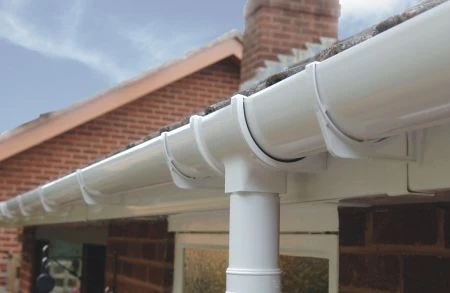
Downpipes, also referred to as downspouts, are vertical pipes connected to the gutters of a structure. They collect rainwater that drains from the roof and direct it to the ground or into a drainage system. By managing the flow of rainwater far from the structure, downpipes help avoid water damage, disintegration, and other related problems.
Why are Downpipes Important?
The significance of downpipes can not be overstated. Here are some important factors why downpipes are important:
Prevention of Water Damage: By directing rainwater far from the foundation, downpipes reduce the risk of flooding and water-related damage, which can lead to expensive repairs.
Erosion Control: Downpipes help avoid soil erosion around the structure's foundation, particularly in areas with substantial rainfall.
Maintenance of Aesthetic Appeal: Properly installed and working downpipes guarantee that rainwater is managed discreetly, which adds to the total visual of a structure.
Protection of Landscaping: By managing the flow of rainwater, downpipes aid keep the integrity of landscaping functions around the property.
Kinds of Downpipes
Downpipes are offered in different materials and styles. The option of downpipe frequently depends on the building's architecture, the local climate, and spending plan considerations.
| Type | Product | Benefits | Drawbacks |
|---|---|---|---|
| Standard | PVC | Lightweight, long lasting, and simple to install | Can become breakable with time due to UV exposure |
| Metal | Aluminum/Copper | Long-lasting, Gutter Repair stylish appearance | Higher expense, capacity for rust |
| Versatile | Rubber/Plastic | Easy to set up in tight spaces | Less durable compared to stiff choices |
| Decorative | Cast Iron/Steel | Deals visual appeal, can match structure design | Heavier, can rust without correct maintenance |
Installation of Downpipes
Setting up downpipes needs careful factor to consider to ensure efficiency in rainwater management. Below is a list of essential actions in the installation process:
Planning and Measurement: Measure the roof location to identify the number of downpipes required based on rainfall intensity and roof pitch.
Selecting the Right Materials: Choose appropriate materials based upon the building's aesthetic and weather conditions.
Positioning: Identify strategic locations for downpipes that will effectively bring water far from the foundation.
Attaching to Gutters: Secure the downpipes to the gutters, ensuring a tight connection to avoid leaks.
Linking to Drainage: Extend the downpipes (Https://pad.stuve.de/) to a designated drainage location or system, guaranteeing that water is adequately directed far from the structure.
Sealing Joints: Use proper sealants to avoid leaks at joints and connections.
Maintenance of Downpipes
To ensure that downpipes function efficiently, routine maintenance is vital. Here are some maintenance ideas:
Regular Inspections: Check downpipes seasonally for blockages or damages triggered by debris, climate condition, or wildlife.
Cleaning: Clear leaves, dirt, and other debris from downpipes and gutters to guarantee continuous circulation.
Inspecting for Leaks: Inspect joints and fittings for leaks, particularly after heavy rainfall.
Making Sure Proper Alignment: Ensure that downpipes are aligned appropriately so that water flows smoothly without pooling.
Frequently asked questions about Downpipes
1. How often should I check my downpipes?
It is suggested to check downpipes a minimum of two times a year, preferably throughout spring and fall, to examine for blockages and potential damages.
2. Can I set up downpipes myself?
While DIY Guttering Installation is possible, it requires some technical knowledge. It's recommended to hire professionals for ideal installation to avoid potential issues.
3. What size downpipe do I need?
The size of the downpipe will depend upon your roof size, anticipated rainfall, and local structure regulations. Usually, a 90mm or 100mm size downpipe is enough for a lot of domestic structures.
4. How can I prevent obstructions in my downpipes?
Routine cleaning and setting up mesh guards over the gutters can assist avoid leaves and particles from getting in downpipes.
5. What are the indications of a malfunctioning downpipe?
Typical signs include overruning Professional Gutters, water pooling around the structure, and visible damage or leakages in the downpipe itself.
Downpipes are an important part for efficient rainwater management in developing structures. Their main function of directing rainwater away from the structure guarantees lasting structural integrity and safeguards versus water-related damages. With proper installation and maintenance, downpipes can serve their purpose efficiently while boosting the aesthetic appeal of a property. Whether you're building a brand-new structure or preserving an existing one, understanding and handling downpipes is important for safeguarding your investment.
- 이전글HERMED 헐메드 약물중절 부작용 정리
- 다음글Treadmills For Sale UK Tools To Ease Your Daily Lifethe One Treadmills For Sale UK Trick That Everybody Should Know
댓글목록
등록된 댓글이 없습니다.