The 10 Most Scariest Things About 30 Foot Container New
페이지 정보
작성자 Carrie 작성일 26-05-19 07:02 조회 2회 댓글 0건본문
Understanding 30 Foot Containers: An In-Depth Guide
On the planet of logistics and shipping, container sizes are vital considerations for companies and people alike. Among the less typically gone over sizes is the 30 Foot Sea Container-foot container. While 20-foot and 40-foot options control the marketplace, the 30-foot container has its own unique advantages. This blog post will check out the requirements, uses, benefits, and factors to consider you require to know when looking into 30 Foot Shipping Container-foot containers.
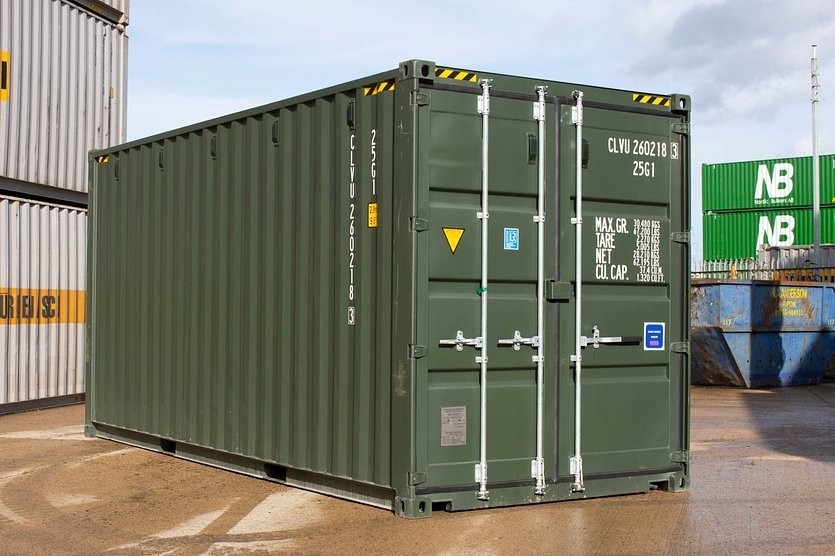
What is a 30 Foot Container?
A 30 Shipping Container-foot container is a shipping container that measures 30 feet in length. While not as prevalent as its counterparts, this size is particularly useful in specific scenarios where space and cost effectiveness are vital.
Requirements of a 30 Foot Container
| Requirements | Measurement |
|---|---|
| Length | 30 feet (9.14 meters) |
| Width | 8 feet (2.44 meters) |
| Height | 8.5 feet (2.59 meters) |
| Tare Weight | Approximately 3,650 pounds (1,650 kg) |
| Maximum Payload | As much as 28,000 pounds (12,700 kg) |
| Cubic Capacity | About 1,700 cubic feet (48.1 cubic meters) |
Key Features
Durability: Made from premium steel, these containers can withstand extreme climate condition, making them a perfect option for long-term storage and shipping.
Versatility: 30 Foot Shipping Containers-foot containers can be used for a variety of applications such as residential storage, commercial shipping, and short-lived workplaces.
Security: With robust locking systems, they provide a protected space for storing important equipment or product.
Uses of a 30 Foot Container
Home Renovation Storage: Ideal for homeowners going through restorations who require temporary storage area for their furnishings and possessions.
Service Inventory: Companies can save excess inventory, devices, or seasonal products without requiring to lease additional warehouse space.
Site Offices: Perfect for building sites or remote locations where short-lived workplaces are required, 30-foot containers can be transformed into practical work spaces.
Occasion Storage: Event organizers can make use of these containers for storing equipment, tents, and materials during large events.
Shipping Custom Goods: For businesses that need to deliver custom-sized items that don't fit in standard 20 or 40-foot containers, a 30-foot container supplies a perfect option.
Benefits of Using a 30 Foot Container
Expense Efficiency: Renting or purchasing a 30 Ft Container-foot container can be more cost-efficient than a 40-foot container when area requirements are lower.
Mobility: These containers can be easily transferred, making them ideal for services that may need to move often.
Area Management: With a 30-foot container, businesses can effectively handle space, lowering the requirement for numerous smaller containers or extra storage facility centers.
Environmental Considerations: Using containers can minimize the carbon footprint associated to storage, as they often promote better organization and resource management.
Factors to consider Before Using a 30 Foot Container
While 30-foot containers have numerous benefits, there are also some aspects to ponder:
Availability: Depending on place, 30-foot containers may not be as easily available as 20-foot or 40-foot options.
Weight Limitations: Be mindful of the container's maximum payload, specifically if storing heavy devices.
Zoning Regulations: In some areas, local laws may dictate how and where containers can be put, especially for long-term use.
Availability: Ensure the container can be quickly accessed by shipment cars if required, as some spaces may not accommodate larger trucks.
Frequently asked questions About 30 Foot Containers
1. Just how much weight can a 30-foot container hold?
A 30 Foot Container New (visit the up coming article)-foot container can hold up to approximately 28,000 pounds (12,700 kg).
2. Are 30-foot containers customisable?
Yes, lots of companies provide personalization alternatives, including additional doors, windows, and insulation depending on the planned use.
3. Where can I lease or buy a 30-foot container?
Many shipping container leasing business and online markets offer options for renting or buying a 30-foot container.
4. What are the common applications for 30-foot containers?
Common applications include storage, site offices, mobile facilities for occasions, and shipping custom-sized items.
5. How do I prepare a website for a 30-foot container?
Guarantee the location is flat, available by delivery automobiles, and adhere to any regional zoning guidelines.
30-foot containers are an exceptional option for various storage and shipping requirements, supplying a flexible and effective alternative to the more typically used sizes. With their special measurements, they can serve a multitude of functions throughout different industries. Understanding the specifications, advantages, and considerations of these containers can help companies and people make informed decisions about their logistics and storage needs. As the demand for flexible shipping and storage solutions increases, the 30-foot container will unquestionably discover its location in the worldwide market.
댓글목록
등록된 댓글이 없습니다.