5 Sweden Driving License Purchase Projects For Any Budget
페이지 정보
작성자 Verna 작성일 26-06-19 14:16 조회 3회 댓글 0건본문
A Complete Guide to Obtaining a Sweden Driving License
For numerous citizens in Sweden, whether beginners or lifelong people, obtaining a driving license represents a significant milestone. The Swedish driving license system is comprehensive, well-structured, and designed to ensure that all drivers on the country's roadways possess the essential skills and knowledge to drive securely. Understanding the process, requirements, and associated costs is vital for anyone embarking on this journey.
Comprehending the Swedish Licensing System
Sweden's approach to chauffeur licensing is notably extensive, reflecting the country's commitment to road safety. The system is administered by Transportstyrelsen (the Swedish Transport Agency), Hjälp Med Körkort) which establishes the requirements, supervises driving schools, and oversees the evaluation process. Unlike some countries where getting a license may be relativelyquick, Sweden emphasizes education and Körkortsverket useful training, making sure that license holders are really proficient drivers.
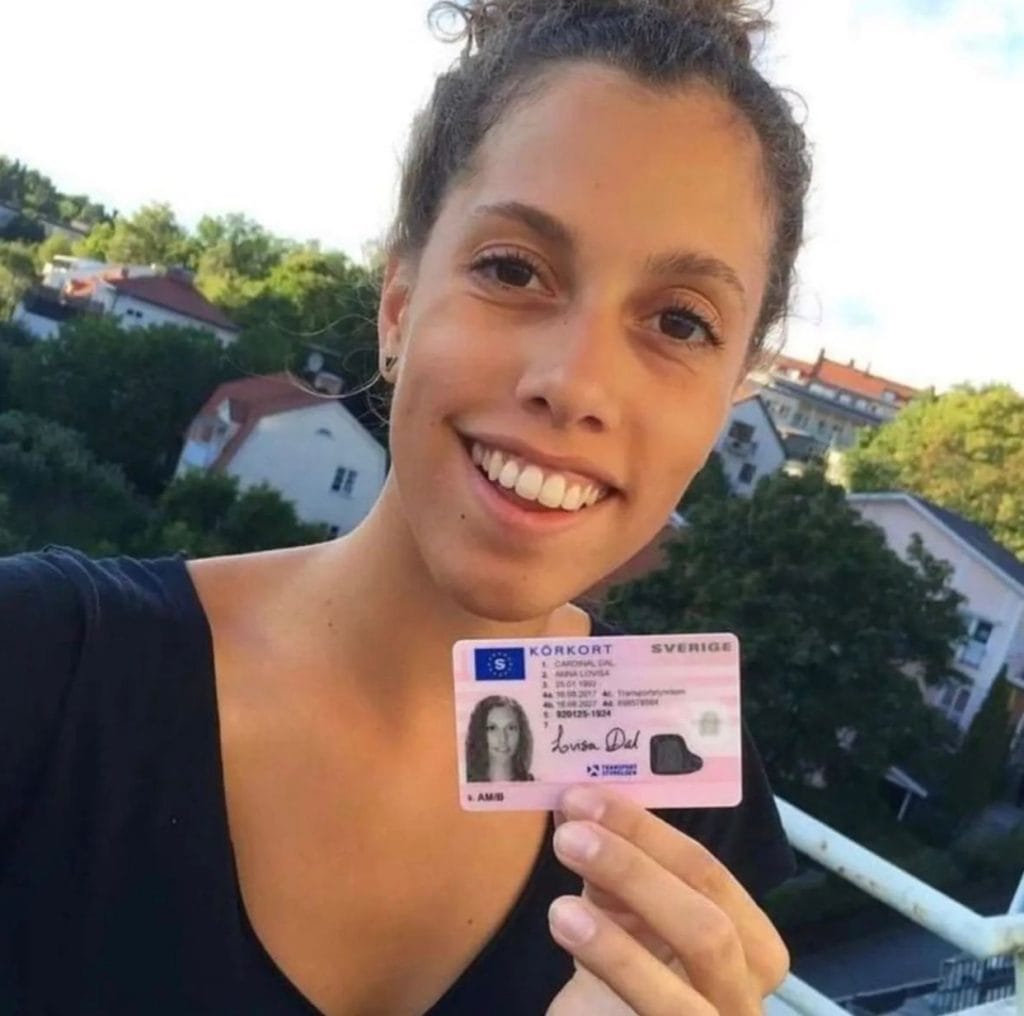
The most typical classification for passenger cars is the B license, which allows people to drive cars and Svenskt Körkort För UtläNningar other cars with an optimum weight of 3,500 kgs. This license serves the needs of a lot of individual drivers and typically needs in between 4 and twelve months to finish, depending on the person's previous driving experience and the time they can dedicate to training.
Requirements for Obtaining a Sweden Driving License
Before beginning the formal process, candidates should meet specific fundamental requirements. The minimum age for a B license is eighteen years, though individuals can begin the theoretical training at sixteen and the useful training at seventeen sometimes. Applicants need to hold a valid identification file, typically a Swedish personal identity number or a coordination number for recently arrived residents.
A fundamental element of the Swedish system is the mandatory threat education program, called "riskinlärning." This两部分 program addresses two critical locations: the results of alcohol and Skaffa Svenskt Körkort] drugs on driving ability, and the risks associated with high-risk driving circumstances such as speeding and adverse weather. Both components must be completed before taking the practical driving test.
For those who already hold a legitimate driving license from an EU or EEA country, the procedure differs considerably. These licenses are normally acknowledged throughout Sweden, and holders do not need to exchange them unless they establish irreversible residency in Sweden. Nevertheless, license holders from nations outside the EU and EEA must go through a more substantial procedure, which might include theory examinations, useful tests, and additional training depending on their country of origin.
The Step-by-Step Process
The journey toward a Swedish driving license follows a structured path that prospects need to comprehend completely before starting. The initial step involves enrolling with a licensed driving school, where trainers assist students through both theoretical knowledge and useful skills. While it is possible to arrange the training individually, most prospects find that expert instruction significantly improves their opportunities of success.
The theoretical part starts with studying the main traffic rules and policies, which cover everything from right of way conventions to proper behavior at roundabouts. Prospects should pass a theory test, which includes multiple-choice questions assessing their understanding of Swedish traffic laws, roadway signs, safety treatments, and threat recognition. This test is normally administered at designated assessment centers and requires a passing rating of at least 52 correct answers out of 55 questions.
The practical training incorporates various driving lessons advancing from basic maneuvers in regulated environments to complex traffic situations on public roadways. Students discover necessary abilities including starting and stopping, reversing, parking, lane altering, and browsing crossways. The period of required training differs based on specific aptitude, though many driving schools recommend a minimum number of necessary lessons covering specific proficiencies.
The final obstacle consists of two separate examinations. The kunskapsprov (knowledge test) assesses theoretical understanding, while the körprov (useful driving test) assesses real driving capability under the guidance of an official inspector. Both tests need to be passed to get the license, and prospects who stop working might retake them after an obligatory waiting period.
Cost Breakdown and License Categories
Comprehending the monetary investment needed assists candidates plan efficiently. The following table summarizes the normal expenses connected with acquiring a B category driving license in Sweden.
| Cost Component | Estimated Price (SEK) |
|---|---|
| Risk Education (两部分) | 1,500 - 2,500 |
| Driving School Registration | 500 - 1,000 |
| Theory Test (Transportstyrelsen) | 325 |
| Practical Driving Test | 800 - 1,000 |
| Compulsory Driving Lessons (minimum) | 3,000 - 5,000 |
| Optional Additional Lessons | 500 - 700 per lesson |
| License Issuance Fee | 250 |
| Total Estimated Cost | 6,000 - 12,000+ |
These figures represent averages, Förmåner Med Körkort and actual costs often go beyond the lower estimates. Lots of prospects need more than the minimum variety of lessons, especially those with no previous driving experience. Furthermore, if either assessment is failed, prospects need to pay the respective charges once again for each retry.
Sweden problems a number of classifications of driving licenses beyond the standard B classification, each with specific requirements and benefits.
| License Category | Lorry Type | Minimum Age | Notes |
|---|---|---|---|
| A | Bikes | 20 (24 for bigger engines) | Progressive gain access to applies |
| B | Passenger cars, vans | 18 | Most common category |
| C | Trucks over 3,500 kg | 21 | Expert credentials needed |
| D | Buses with more than 8 travelers | 24 | Medical checkup needed |
| BE | Automobile with trailer over 750 kg | 18 | Needs B license as prerequisite |
Essential Considerations for Applicants
A number of factors deserve cautious attention throughout the licensing process. First, candidates ought to confirm that their chosen driving school holds correct accreditation from Transportstyrelsen. Genuine schools display their permission prominently and offer clear details about costs, schedules, and cancellation policies.
The theory test is available in numerous languages, which proves particularly useful for non-Swedish speakers. However, prospects need to note that some terminology and roadway signs vary from those utilized in other countries, making thorough study of Swedish-specific materials essential no matter language proficiency.
Waiting times for examination visits vary across various regions of Sweden, especially in cosmopolitan areas where need is highest. Candidates are well-advised to schedule their tests well in advance, preferably a number of months before their intended conclusion date. Some driving schools provide ensured examination dates as part of their service plans.
Finally, the Swedish system positions substantial focus on protective driving techniques and danger perception. Candidates should approach their training with the understanding that passing evaluations needs not simply mechanical skills however authentic situational awareness and decision-making ability.
Often Asked Questions
Can I drive in Sweden with my foreign license?
Holders of legitimate EU or EEA driving licenses might drive in Sweden without limitation. Those with licenses from non-EU/EEA countries might drive for as much as one year after developing residency, after which they need to get a Swedish license or exchange their foreign license if such exchange is permitted for their country of origin.
For how long does the whole procedure take?
The period varies considerably based on individual scenarios. For prospects with no prior experience who train intensively, the minimum timeframe is approximately 4 months. Nevertheless, the majority of candidates need in between six and twelve months to finish all requirements, especially if they balance training with work or study dedications.
What takes place if I fail among the tests?
Prospects who stop working either the theory or practical test might retake them after a one-week waiting duration. There is no limit on the number of efforts, though each attempt incurs additional charges. Statistics show that roughly 40-50 percent of candidates pass their dry run on the very first attempt.
Is it necessary to take lessons at a main driving school?
While Sweden allows prospects to arrange their own theoretical studies and practice with a supervising chauffeur who fulfills particular requirements, the useful assessment needs to be scheduled through a certified driving school. A lot of prospects discover that professional instruction supplies important guidance and substantially improves their possibilities of success.
Obtaining a driving license in Sweden represents a meaningful financial investment of time, effort, and funds. The process is demanding specifically because Swedish roads rank among the safest in Europe, and the licensing system contributes significantly to this safety record. While the requirements might appear substantial compared to some other countries, the outcome is a well-prepared driver capable of handling diverse traffic circumstances confidently and securely.
For those embarking on this journey, perseverance and determination prove essential qualities. By comprehending the procedure thoroughly, picking a credible driving school, and devoting enough time to both theoretical study and useful training, candidates can browse the Swedish licensing system effectively and sign up with the countless certified drivers delighting in the freedom of Sweden's roads.
댓글목록
등록된 댓글이 없습니다.