Are Fascias The Best Thing There Ever Was?
페이지 정보
작성자 Efren 작성일 26-06-07 13:38 조회 2회 댓글 0건본문
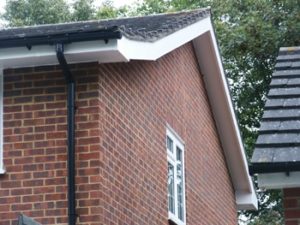
Fascias and Soffits: Understanding Their Importance in Home Exterior
When it pertains to the maintenance and aesthetic appeals of a home's exterior, fascias and soffits play a crucial function. Although they are typically ignored, these parts considerably contribute to a home's structural stability and visual appeal. This article intends to debunk fascias and soffits, exploring their functions, materials, installation process, maintenance, and common concerns house owners may have.
What Are Fascias and Soffits?
Fascia
The fascia is a horizontal board located at the edge of the roofline. It functions as a barrier between the roof and the outdoors components, serving multiple important functions:
- Support: The fascia supports the lower edge of the roofing and the rain gutters.
- Visual Appeal: It offers a tidy, ended up aim to the roofline.
- Protective Barrier: The fascia assists prevent water from going into the roof structure, which could lead to rot and damage.
Soffit
Soffits are the boards that fill the gap between the roof overhang and the outside wall. They are usually discovered under the eaves and serve a number of functions:
- Ventilation: Soffits can have ventilation slots, permitting air to flow in the attic area, which helps control temperature level and humidity.
- Pest Prevention: By covering exposed areas, soffits hinder bugs like birds and bugs from nesting in the eaves.
- Aesthetic Harmony: Like fascias, soffits contribute to the overall look of the home, guaranteeing a seamless appearance between the roofline and walls.
Products for Fascias and Soffits
Both fascias and soffits can be made from various materials, and each has its advantages and disadvantages. Here's a fast summary:
| Material | Fascia And Soffit Experts | Soffit |
|---|---|---|
| Wood | Traditional visual, but vulnerable to rot and needs maintenance | Supplies a traditional appearance, however can warp or crack |
| Vinyl | Durable and low maintenance, available in numerous colors | Easy to set up and resistant to moisture |
| Aluminum | Light-weight, corrosion-resistant, available in many finishes | Perfect for areas with high humidity, avoids rust |
| Fiber Cement | Very durable, weather-resistant | Offers a modern-day finish, low maintenance |
Installation of Fascias and Soffits
Actions for Installation
Preparation:
- Remove old fascia and soffit boards if required.
- Examine the underlying structure for any indications of rot or damage.
Measuring:
- Measure the length of the fascia and the location for the soffit.
- Guarantee accurate measurements to reduce material waste.
Cutting:
- Cut the brand-new fascia and soffit boards to the needed length, making sure smooth edges.
Installation of Fascia:
- Place the fascia board at the edge of the Roofline Repairs.
- Secure it with appropriate fasteners, such as screws or nails.
Installation of Soffit:
- Attach the Soffit Installation boards, ensuring to leave space for ventilation if essential.
- Usage either a continuous soffit vent or private vents based upon design requirements.
Ending up Touches:
- Seal all joints with weather-resistant caulk to prevent water intrusion.
Standard Tools Required
- Determining tape
- Chalk line
- Saw (circular or miter)
- Hammer or nail gun
- Screwdriver or drill
- Level
Maintenance Tips for Fascias and Soffits
Routine maintenance of fascias and soffits can extend their lifespan and preserve the visual appeal of your home. Here are some essential maintenance suggestions:
Regular Inspections:
- Check for signs of damage, rot, or insect activity a minimum of two times a year, especially before and after severe climate condition.
Cleaning:
- Clean gutters routinely to avoid overflow, which can damage the fascia.
- Clean down soffits and fascias with a wet fabric to remove dirt and gunk.
Paint and Seal:
- If made from wood, repaint and reseal fascias and soffits regularly to protect them from wetness.
Ventilation Check:
- Ensure that ventilation slots in the soffits are not blocked by particles or nests.
FAQs About Fascias and Soffits
1. How often should I replace my fascias and soffits?
Fascias and soffits normally last in between 20 to 30 years, depending upon the material and climate. Regular assessments can help you determine when it's time for replacement.
2. Can I install fascias and soffits myself?
While DIY installation is possible, it needs particular tools and understanding. Employing a professional can guarantee proper installation and conserve time.
3. What are the indications that my fascia or soffit needs repair?
Look for drooping, peeling paint, staining, or gaps in between the fascia, Soffit Installation, and the roofing system or wall, all of which indicate prospective concerns.
4. Do soffits need to be vented?
Ventilation is vital for soffits, specifically in attics, as it permits wetness to get away and assists control temperature, avoiding structural damage.
5. Exist any patterns in fascia and soffit design?
Modern homes typically include tidy lines and minimalistic designs. Composite materials and colored vinyl are becoming increasingly popular for their low maintenance and sturdiness.
In conclusion, fascias and soffits are vital elements of a home's outside that offer both functionality and aesthetic appeal. Comprehending their roles, materials, and maintenance requirements can help property owners make informed choices about their home's upkeep. Whether you go with DIY installation or employ a professional, making sure the integrity of fascias and soffits will add to the durability and charm of your home. Regular maintenance and prompt repairs will pay off in securing your residential or commercial property from possible damage, making these components not just decorative, but important to home health.
- 이전글15 Best Twitter Accounts To Learn About Comfortable Couches
- 다음글10 Things We All Hate About Buy Tramadol Online
댓글목록
등록된 댓글이 없습니다.