See What Shipping Container Manufacturers Tricks The Celebs Are Utiliz…
페이지 정보
작성자 Daniella 작성일 26-06-07 11:51 조회 3회 댓글 0건본문
The World of Shipping Container Manufacturers: An In-Depth Insight
Shipping containers have actually become an important part of the global supply chain. They are the backbone of international trade, making it possible for the transport of goods throughout oceans and continents. With the growing demand for containerization, the function of shipping container manufacturers has gained enormous significance. This post aims to explore this industry, analyzing key gamers, kinds of containers produced, producing procedures, and trends shaping the future.
Comprehending Shipping Containers
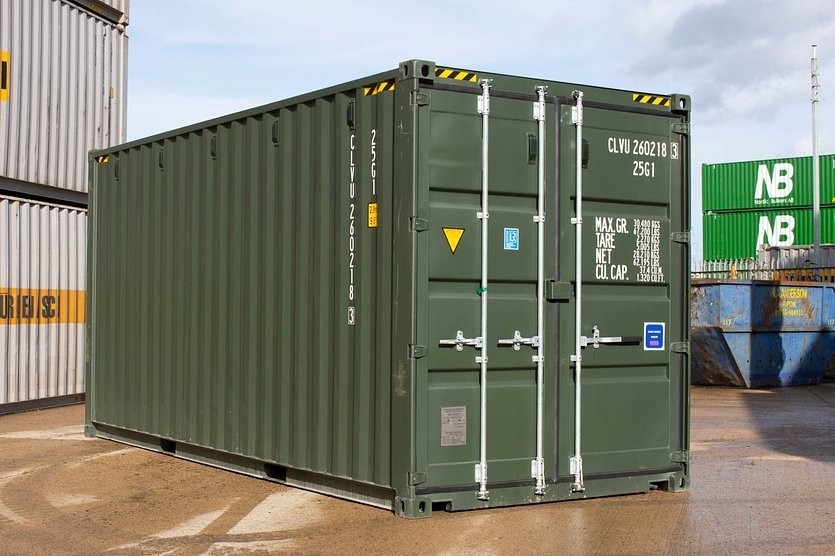
Shipping containers are standardized metal boxes used to transport items. Made to numerous requirements, they come in various sizes and types to accommodate diverse shipping needs. The most typical sizes are 20-foot and 40-foot containers, which supply a safe and effective approach for moving products.
Kinds Of Shipping Containers
| Container Type | Description |
|---|---|
| Requirement Dry Containers | Used for basic cargo. Offered in 20ft and 40ft sizes. |
| Reefer Containers | Temperature-controlled containers used for perishable products. |
| Open Top Containers | Created for tall cargo that can not fit into standard containers. |
| Flat Rack Containers | Suitable for extra-large cargo that can be filled from the top or sides. |
| High Cube Containers | Taller than basic containers, offering extra storage space. |
| Tank Containers | Used for carrying liquids, chemicals, or gases. |
Major Shipping Container Manufacturers
The shipping container production industry is controlled by a few essential players. These manufacturers have constructed their reputation on quality, development, and scalability. Here's a list of some of the major shipping container manufacturers internationally:
| Manufacturer | Country | Year Established | Market Share (%) |
|---|---|---|---|
| China International Marine Containers (CIMC) | China | 1980 | 30% |
| Maersk Container Industry | Denmark | 2000 | 15% |
| Singamas Container Holdings | Hong Kong | 1984 | 10% |
| K Line (Kawasaki Kisen Kaisha) | Japan | 1919 | 8% |
| DCLI (Direct ChassisLink Inc.) | USA | 2014 | 5% |
Key Features of Leading Manufacturers
CIMC: As the largest manufacturer, CIMC focuses on research study and development, producing over 400,000 containers yearly.
Maersk Container Industry: Known for its ingenious reefer containers, Maersk has actually greatly bought minimizing energy usage.
Singamas: This maker focuses on environment-friendly containers, incorporating sustainable practices in its production process.
K Line: Vintage yet innovative, K Line emphasizes durability and long-lasting efficiency in its container styles.
DCLI: Although newer in the field, DCLI emphasizes the combination of innovation in container tracking and logistics.
Production Process of Shipping Containers
Producing Shipping Container Modifications containers includes multiple steps, making sure that they satisfy international security requirements and can endure extreme ecological conditions. Here's an introduction of the production process:
1. Product Selection
Shipping containers are mainly made of Corten steel due to its strength and deterioration resistance.
2. Cutting and Shaping
Steel sheets are cut into appropriate sizes and shapes, utilizing sophisticated laser cutting devices for precision.
3. Welding
After shaping, the pieces are bonded together, forming the structure of the container. This procedure typically employs automated welding to enhance toughness.
4. Surface Treatment
Containers undergo surface area treatment to prevent rust and rust, typically using paint or galvanization.
5. Quality assurance
Manufacturers perform strenuous inspections at every stage to make sure adherence to worldwide requirements.
6. Final Assembly
After quality checks, all elements are put together, including doors, locks, and other hardware, to finish the container.
7. Checking
Containers go through load screening to ensure they can withstand the weight of cargo during transport.
Patterns in Shipping Container Manufacturing
The shipping container industry is evolving, influenced by technological improvements and altering market demands. Here are some significant trends:
1. Sustainability Efforts
With an increased focus on ecological responsibility, manufacturers are integrating sustainable practices, such as recycling products and lowering emissions.
2. Smart Containers
The rise of IoT has actually led to the development of wise containers geared up with sensing units for tracking and monitoring conditions in real-time.
3. Personalization
As services seek distinct solutions, manufacturers have actually begun providing tailored shipping containers to meet specific requirements.
4. Modular Designs
Modular styles for containers are becoming popular, allowing the construction of momentary structures or housing solutions.
5. Increased Demand for Reefer Containers
With the rise in e-commerce and worldwide trade of perishable goods, the demand for refrigerated containers is continually growing.
FREQUENTLY ASKED QUESTION
Q1: What is the lifespan of a shipping container?
A1: Typically, a shipping container has a life-span of 10 to 25 years, depending on usage and maintenance.
Q2: How are shipping containers carried?
A2: Shipping Container Solutions containers are mostly transferred by means of Cargo Storage Containers ships, trucks, and trains. They are developed for simple transfer between different transportation modes.
Q3: Can shipping containers be modified?
A3: Yes, shipping containers can be modified for various functions, including storage, housing, and workplace.
Q4: What is the weight limit for cargo in a shipping container?
A4: A basic 20ft container can hold an optimum weight of about 22,000 lbs (10,000 kg), while a 40ft container can hold about 44,000 lbs (20,000 kg).
Q5: Are shipping containers water resistant?
A5: Yes, shipping containers are designed to be waterproof and weather-resistant, securing the contents from ecological elements.
Shipping container manufacturers play an essential function in facilitating international trade. Understanding the dynamics of this market, including significant gamers, production procedures, and emerging trends, offers important insights into the future of logistics and transportation. As the industry continues to innovate and adapt, the importance of top quality shipping containers remains critical in sustaining the ever-evolving global supply chain.
댓글목록
등록된 댓글이 없습니다.