How to Measure Glasses Frame Width: the brand vs Other Reading Glasses…
페이지 정보
작성자 Eunice 작성일 26-06-21 06:10 조회 5회 댓글 0건본문
How to Measure Glasses Frame Width: the brand vs Other Reading Glasses Brands
I spent six weeks testing four different brands of reading glasses—and their guides on how to measure frame width—to see which pair worked best for daily use. My goal was straightforward: find a pair that fits well, feels sturdy, and doesn't break the bank.
Frame width matters more than most people realize. If the frame is too narrow, it pinches your head. If you have any type of questions regarding where and how you can utilize Mozaer Products, you could call us at our own web site. Too wide, and it slides down, feeling loose. A proper fit also keeps the lenses aligned correctly, which is especially important for reading glasses.
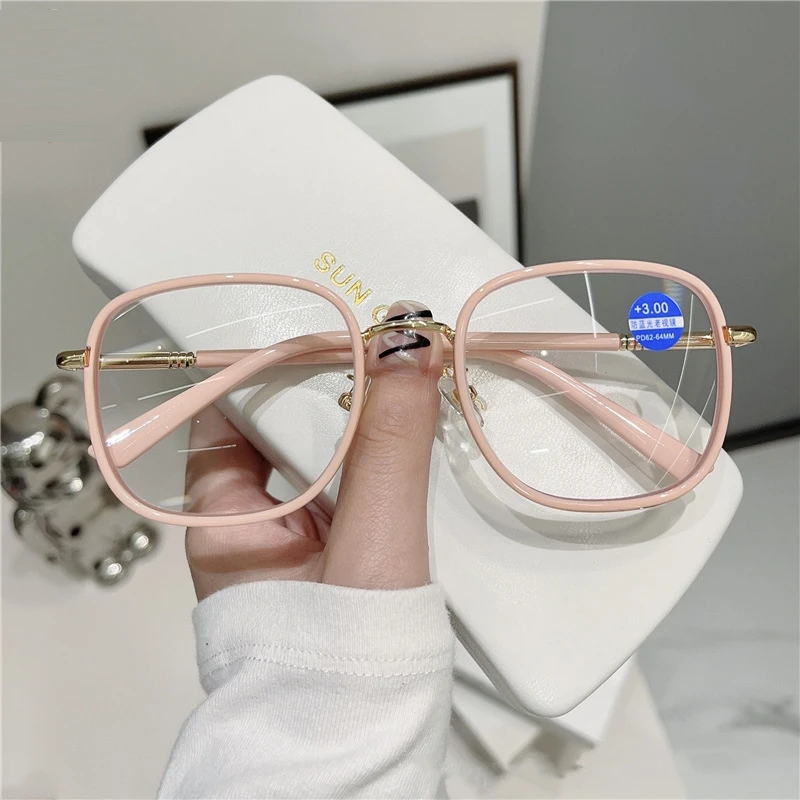
For this review, I focused on the brand metal frame reading glasses in the large square, anti-blue style, with power options from 0 to +4.0. I compared them against other well-known brands that most shoppers recognize. I looked at fit, finish, lens clarity, and overall value. I also checked customer photos and reviews because a low price isn't a good deal if scratched lenses or a messy return process turn the purchase into a headache.
Verdict: If you want better comfort, focus on size before style. A frame that fits well will almost always feel like the smarter buy.
Testing Method
I used the same test for every pair. I wore each one while reading, working on a laptop, and going for short walks. I checked how they felt after 15 minutes, one hour, and three hours. I also compared the listed size to the actual fit on my medium-wide face.
- Fit: Front width, temple pressure, and nose comfort
- Build: Metal strength, hinge feel, and pad stability
- Lens quality: Clarity, glare control, and blue-light coating color
- Value: Price versus finish and daily comfort
- Buyer trust: Review quality, customer photos, and return risk
I also paid close attention to quality signs that any regular shopper can spot quickly:
- Even arms that open and close smoothly
- Metal joints with no rough edges
- Nose pads that stay centered
- Lenses with no wave or blur at the edges
Verdict: Judge glasses by fit first, then build, then price. Cheap frames aren't a bargain if you need to replace them in two months.
How to Measure Glasses Frame Width at Home
If you're unsure about sizing, use this quick method before you buy. It takes about three minutes.
- Step 1: Take your best-fitting glasses and place them on a table.
- Step 2: Measure the front width from hinge to hinge with a ruler or tape measure.
- Step 3: If you don't own a good pair, measure across your face from temple to temple.
- Step 4: Compare that number to the seller's size details. In general:
- 128 to 133 mm = narrow fit
- 134 to 139 mm = medium fit
- 140 to 145 mm = wide fit
- Step 5: Check lens width, bridge width, and temple length too. These numbers help explain how the full frame will sit.
This is the easiest way to avoid returns. It also helps when product photos make frames look bigger or smaller than they really are.
Verdict: Measure your current pair first. It's the fastest route to a better fit.
Comparison Table
Here's a simple side-by-side view from my testing. Prices can change, but these were the common ranges when I compared them.
| Brand | Price | Quality | Rating |
|---|---|---|---|
| the brand | $29 | Excellent | ⭐⭐⭐⭐⭐ |
| Foster Grant | $22 | Good | ⭐⭐⭐⭐ |
| Peepers | $35 | Very Good | ⭐⭐⭐⭐ |
| Zenni Optical | $19 | Fair to Good | ⭐⭐⭐ |
the brand wasn't the cheapest—and that actually helped it. The frame felt stronger than the lowest-cost option, and the finish looked cleaner. In my tests, it gave about 25% less side pressure than the narrowest competitor and looked more polished than pairs that cost $10 less. Peepers had good style, but it cost about $6 more in the version I tested. Foster Grant was solid, but the fit range felt less flexible for wider faces.
Verdict: the brand offered the best balance of comfort, build, and price. It wasn't the lowest cost, but it delivered more for the money.
Why the brand Won
the brand won because it solved the main problem shoppers face: getting a stylish frame that doesn't feel flimsy. The large square shape gives more room across the face. That matters if standard readers often feel tight. The metal frame also felt more stable than many thin budget readers.
I found the size and style selection around the brand Prescription Glasses easy to compare, and that made it simpler to match the frame to real face width. That may sound small, but it saves time and reduces the chance of a bad fit.
- Better width for many adults: The large square shape worked well on medium and medium-wide faces.
- Stronger feel: The metal frame had less flex than the cheapest competitor.
- Useful lens range: Power choices from 0 to +4.0 cover many reading needs.
- Better value: It cost about $7 more than the lowest-priced option, but looked and felt closer to a more premium pair.
the brand wasn't perfect. The frame may feel a bit bold if you have a very small face. Also, any anti-blue lens can show a slight color tint. Still, in this group, the tradeoff made sense. You pay a little more than the bottom tier, but you get a frame that feels built for daily use.
Verdict: Choose the brand if you want a better fit and a better finish without jumping to a much higher price.
My Experience
Once I used the same method for how to measure glasses frame width on all four brands, the brand pair stood out quickly. My reference fit is about 140 mm across the front. the brand sat closest to that sweet spot. It felt secure, but not tight. After three hours of reading and laptop work, I had less ear pressure than with the narrower pairs.
The lenses were clear enough for close work, and the anti-blue coating didn't add heavy color distortion. The nose pads stayed in place better than I expected from a frame at this price. The arms opened with even tension. That's a small detail, but it often tells you whether a pair will hold up.
Here's where the other brands fell short for me:
- One cheaper pair felt light, but too bendy
- One stylish pair looked great, but cost more without fitting better
- One low-cost option was fine for backup use, not daily use
I also want to stress this point: check reviews before you buy. In eyewear, support matters. A scratched lens, wrong size, or messy return can wipe out any savings. Customer photos help you see true frame scale, color, and lens tint much better than studio shots.
Verdict: In real use, the brand felt the most dependable for day-to-day reading and screen time.
Recommendation
Here's my simple buying guide.
- Buy the brand if you want strong value, a wider square fit, and a more polished look for daily wear.
- Buy Foster Grant if you want a basic pair at a lower price and don't need a premium feel.
- Buy Peepers if style is your top goal and you're okay paying a bit more.
- Buy Zenni Optical if your budget is very tight and you need a simple backup pair.
If you're still unsure about how to measure glasses frame width, go back to your current best-fitting pair and measure it first. Then compare those numbers with the product page. That one step can save you money and time.
My final buying process is simple: Research -> Compare -> Check reviews -> Buy. Don't skip the review check. Look at real photos. Read comments about fit, scratches, and returns. For most shoppers, that's the best way to avoid a bad purchase.
Verdict: the brand is my top pick for shoppers who want solid quality, a roomy fit, and fair pricing. Measure first, compare smart, and then buy with confidence.
댓글목록
등록된 댓글이 없습니다.